
Difference Between a Chauffeur and a Driver in Toronto

People use “chauffeur” and “driver” as if the words mean the same thing. They do not. The distinction is not about vocabulary – it is about two entirely different professions, service standards, and client expectations.
A driver operates a vehicle to transport you from one location to another. A chauffeur manages your entire travel experience – from greeting you at the door to handling luggage, adjusting the route in real time, and maintaining complete confidentiality. Both require an Ontario Class G licence. Only one requires hospitality training, professional presentation, and the ability to anticipate what a passenger needs before they ask.
Where Does the Word "Chauffeur" Come From?
The word entered English from French around 1896. It literally translates to “stoker” – the person responsible for keeping the fire alive in a steam-powered engine. Early automobiles ran on steam, and someone had to heat the boiler before the vehicle could move. When internal combustion engines replaced steam, the stoker’s mechanical role disappeared, but the attendant role evolved. The person who had kept the engine running was repurposed to keep the experience of being driven running: opening doors, managing luggage, planning routes, and maintaining the vehicle’s presentation.
A driver, by contrast, has always been defined by a single function – operating a vehicle. The word carries no implication of service beyond transportation itself.
That historical split still defines the professions today.
What Does a Driver Actually Do?
A driver is anyone licensed to operate a motor vehicle for the purpose of transporting passengers. In Toronto, this includes taxi drivers, rideshare operators working through platforms like Uber or Lyft, delivery drivers, and private hire drivers.
The role is focused on a single deliverable: getting you from point A to point B safely and within a reasonable time. Drivers follow traffic laws, use navigation tools, and complete the trip. Their obligation ends when you exit the vehicle.
In Ontario, becoming a driver for hire requires a valid Class G licence, a minimum of three years of driving experience, and – for rideshare and taxi operators – a City of Toronto Vehicle-for-Hire Driver Licence, which involves completing a city-approved training program covering urban driving safety, anti-discrimination, and Vision Zero awareness.
There is nothing insufficient about this. Millions of Toronto residents rely on hired drivers every day for commutes, airport runs, and errands. It is skilled, essential work. It is also a fundamentally different job than chauffeuring.
What Does a Chauffeur Actually Do?
A chauffeur is a hospitality professional who happens to drive. The vehicle is the setting, not the service.
Before a trip begins, a chauffeur confirms the itinerary, checks traffic and weather conditions, details the vehicle interior, and arrives early – typically 15 minutes before the scheduled pickup. When the client appears, the chauffeur greets them by name, opens the door, handles any luggage or personal items, and confirms the route. During the journey, the chauffeur monitors conditions and adjusts routing in real time, maintains a quiet cabin unless conversation is invited, and ensures the climate and environment inside the vehicle meet the client’s preferences.
At the destination, a chauffeur exits first, opens the passenger door, assists with belongings, and remains until the client has entered the venue or building.
This sequence is not improvised. It is the result of formal training in etiquette, defensive driving, route planning, client communication, and personal presentation – training that goes well beyond what Ontario’s standard licensing requires.

7 Differences Between a Chauffeur and a Driver
1. Scope of Service
A driver transports. A chauffeur serves. The distinction is between completing a task and managing an experience. A chauffeur handles bookings, coordinates with event venues, adjusts to schedule changes, and may run errands like picking up documents or securing restaurant reservations – all within a single engagement.
2. Training and Qualifications
Both require a valid Ontario Class G licence. Beyond that, the paths diverge sharply. A rideshare or taxi driver in Toronto must complete the city’s Vehicle-for-Hire training program, which covers safety fundamentals and legal requirements.
A chauffeur undergoes additional training in defensive and advanced driving techniques, client etiquette and communication protocols, luggage handling, and – at reputable firms – security awareness. Some employers require first aid certification. Many require a clean driving abstract going back five or more years, plus a criminal background check.
3. Dress Code and Personal Presentation
A driver’s appearance is generally unregulated beyond basic cleanliness. A rideshare driver may arrive in casual clothing.
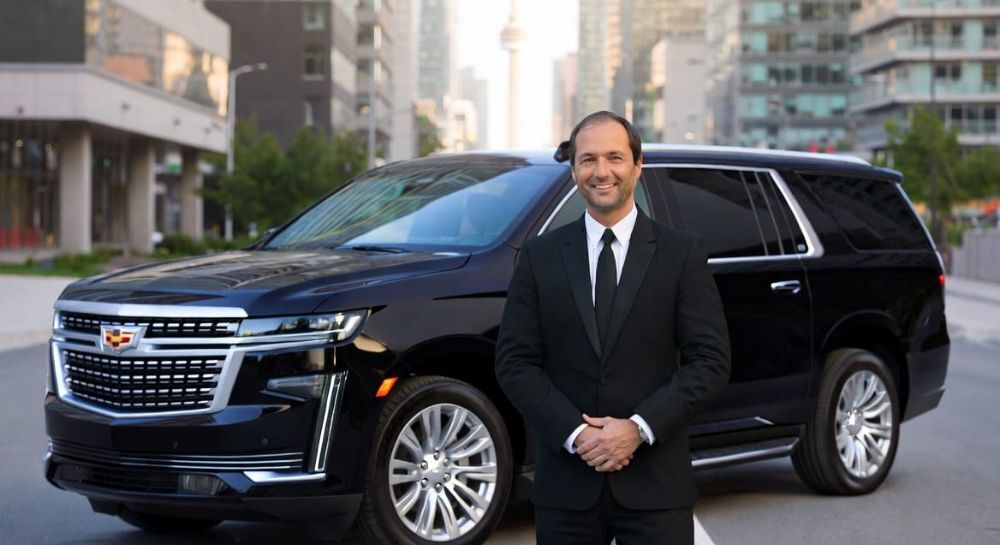
A chauffeur is held to a formal dress standard – typically a pressed dark suit, tie, polished shoes, and clean grooming. This is not vanity. For corporate clients arriving at a business meeting, or wedding parties being photographed on arrival, the chauffeur’s appearance is part of the event’s presentation.
4. Vehicles
Drivers operate whatever vehicle is available – their personal car, a standard fleet sedan, or a platform-assigned vehicle. The condition and class of the vehicle vary widely.
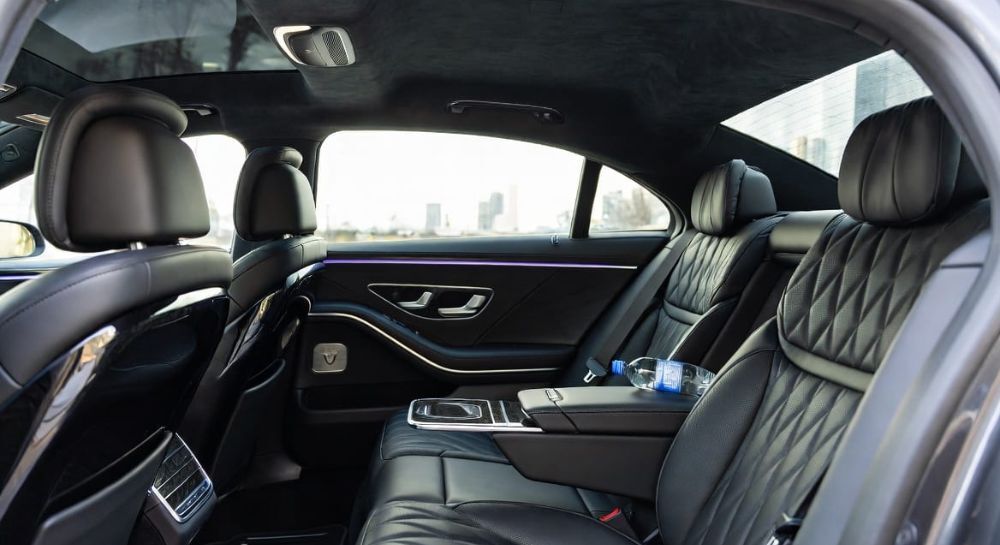
Chauffeurs operate from a curated fleet of luxury or executive-class vehicles: sedans like the Mercedes-Benz S-Class, SUVs like the Cadillac Escalade, or full-size limousines. These vehicles are detailed before every engagement – interior cleaned, exterior polished, climate pre-set. In Toronto, limousine vehicles must appear on the City’s approved vehicle list and meet annual safety inspection requirements.
5. Confidentiality and Discretion
This is the difference most people overlook, and it may be the most consequential.
A rideshare driver has no confidentiality obligation to you. Conversations overheard in transit, your destination, your schedule – none of this is protected. The platform’s terms of service govern the driver’s data handling, not a personal duty of discretion.
A professional chauffeur operates under an expectation of confidentiality that is often formalized through a non-disclosure agreement. Reputable chauffeur services require every chauffeur to sign an NDA at hire, covering client identity, travel itineraries, conversations overheard in the vehicle, and any documents or materials visible during the trip. For corporate executives discussing market-sensitive information, legal professionals in active matters, or public figures managing their privacy, this is not a luxury – it is a requirement.
The chauffeur’s behavioural training reinforces this: speak only when spoken to, never initiate personal questions, never discuss one client’s details with another.
6. Continuity and Client Relationship
Rideshare platforms assign a different driver each trip. You have no relationship with the person behind the wheel, and they have no context about your preferences.
Chauffeur services – particularly for corporate accounts and recurring clients – assign the same chauffeur to the same client. Over time, the chauffeur learns the client’s preferred routes, temperature settings, communication style, and scheduling patterns. This continuity eliminates the friction of re-explaining preferences on every trip and builds a layer of trust that is impossible in a rotational model.
7. Accountability Structure
Rideshare platforms assign a different driver each trip. You have no relationship with the person behind the wheel, and they have no context about your preferences.
Chauffeur services – particularly for corporate accounts and recurring clients – assign the same chauffeur to the same client. Over time, the chauffeur learns the client’s preferred routes, temperature settings, communication style, and scheduling patterns. This continuity eliminates the friction of re-explaining preferences on every trip and builds a layer of trust that is impossible in a rotational model.
When Does It Matter Which One You Choose?
Not every trip requires a chauffeur. For a routine commute across the city, a grocery run, or a casual night out, a rideshare or taxi driver is perfectly appropriate, cost-effective, and efficient.
A chauffeur becomes the right choice when the journey itself carries professional or personal stakes. Consider the difference in these scenarios across Toronto:
A senior executive landing at Pearson International needs to arrive at a Bay Street meeting composed, on time, and without having searched for parking or navigated construction on the Gardiner Expressway. A couple arriving at their wedding venue at the Fairmont Royal York wants the arrival to feel seamless and photographable. A visiting board member attending meetings at multiple locations across the GTA needs a single point of coordination for a full-day schedule, not four separate rideshare bookings.
In each case, the value is not the driving. It is the preparation, the presentation, the discretion, and the continuity that a chauffeur provides around the driving.

What Toronto's Licensing Framework Tells You
Toronto regulates vehicles-for-hire under Municipal Code Chapter 546. Limousine drivers, taxi drivers, and private transportation company (PTC) drivers all require a Vehicle-for-Hire Driver Licence issued by the City. The base requirements include a valid Ontario Class G licence, a minimum of three years of driving experience, completion of a city-approved training program, a clean driving abstract, and a criminal background check.
What the licensing framework does not regulate is the hospitality layer – the etiquette training, dress standards, NDA protocols, and itinerary management that distinguish chauffeur service. Those standards are set and enforced by the chauffeur service company itself. This is why the company you hire matters as much as the individual behind the wheel. A well-run chauffeur firm sets the standard above what the city requires and holds every chauffeur accountable to it.
How to Choose a Chauffeur Service in Toronto
When evaluating a chauffeur service, the vehicle fleet is the most visible factor but not the most important. Ask about the areas that are harder to see: What training do chauffeurs complete beyond city licensing? Are NDAs standard for all chauffeurs, or only on request? Is the same chauffeur assigned to recurring clients? What is the vehicle detailing protocol before each engagement? Is there a named account manager for corporate bookings?
The answers will separate a genuine chauffeur service from a car service that simply uses the word.
If you need professional chauffeur service in Toronto – for corporate travel, airport transfers, or special occasions – Luxury Chauffeur Service Toronto provides trained, vetted chauffeurs operating from a curated fleet across the Greater Toronto Area. Call +1 437-484-5299 to book or discuss your requirements.
Frequently Asked Questions
Is a chauffeur the same as a limousine driver?
Not exactly. A limousine driver operates a specific class of vehicle. A chauffeur delivers a defined standard of service – etiquette, discretion, itinerary management, and personal presentation – regardless of the vehicle type. All limousine chauffeurs are chauffeurs, but a chauffeur may also operate a sedan or SUV.